Introduction to Visitor Management Systems
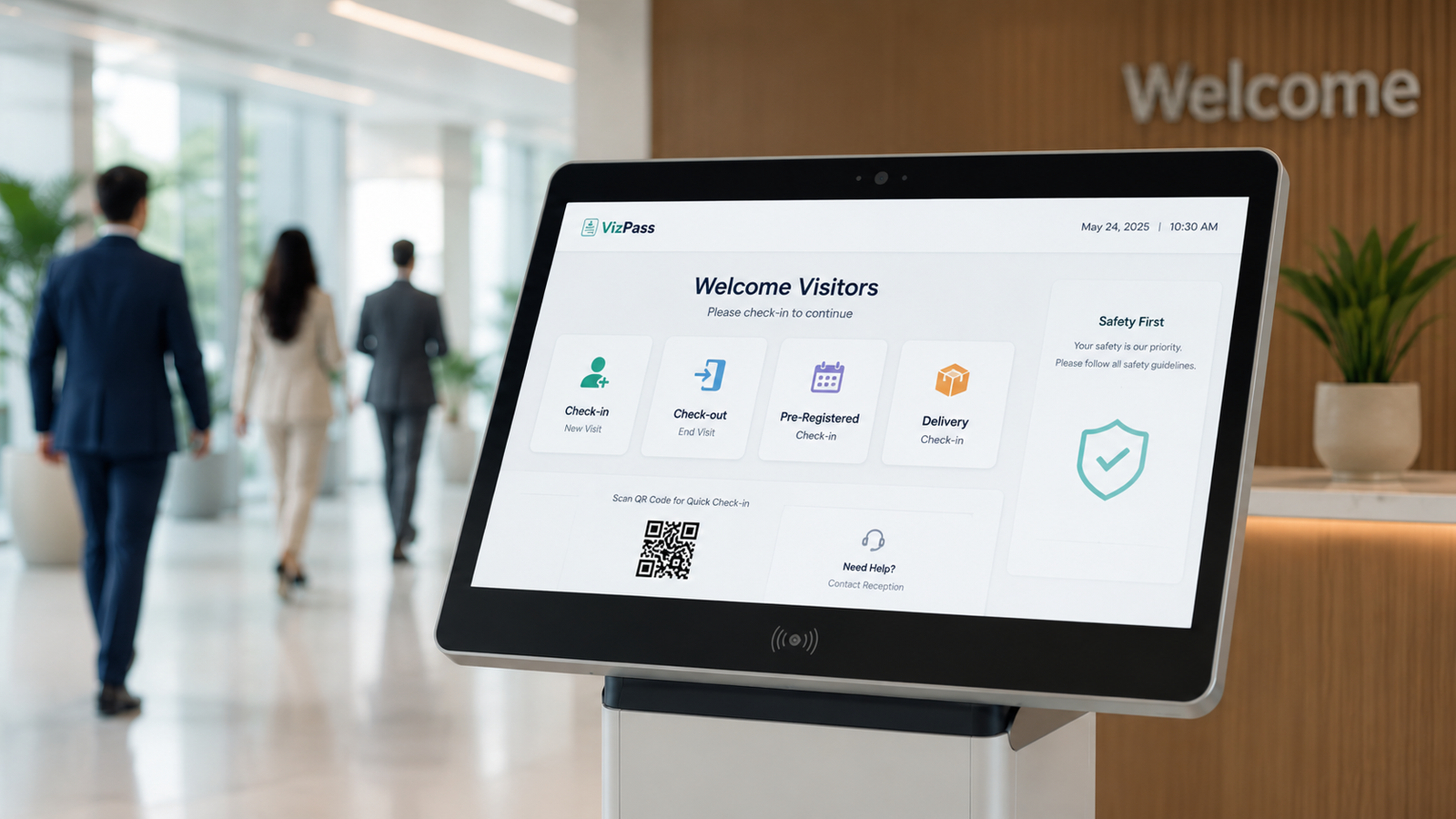
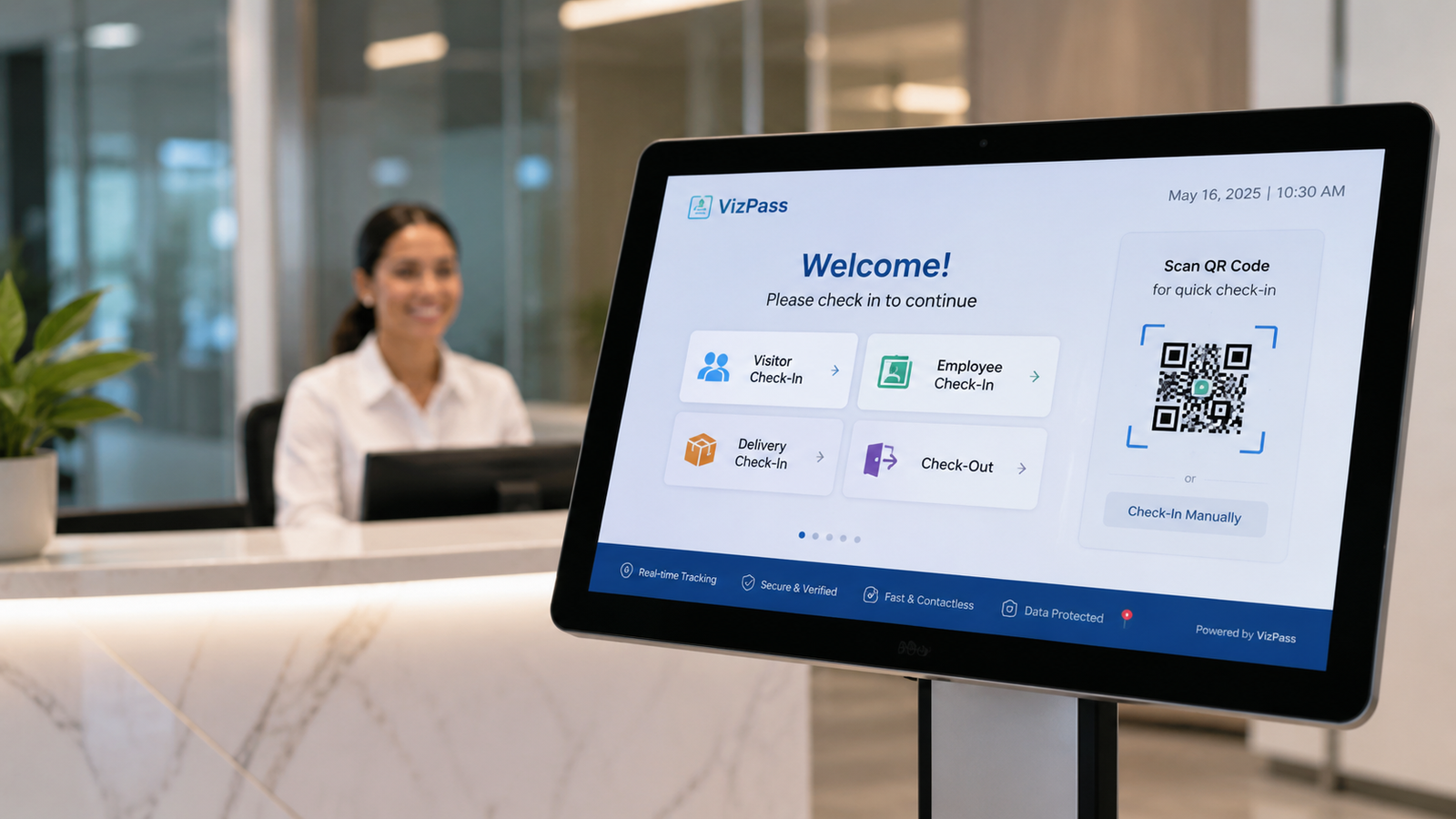
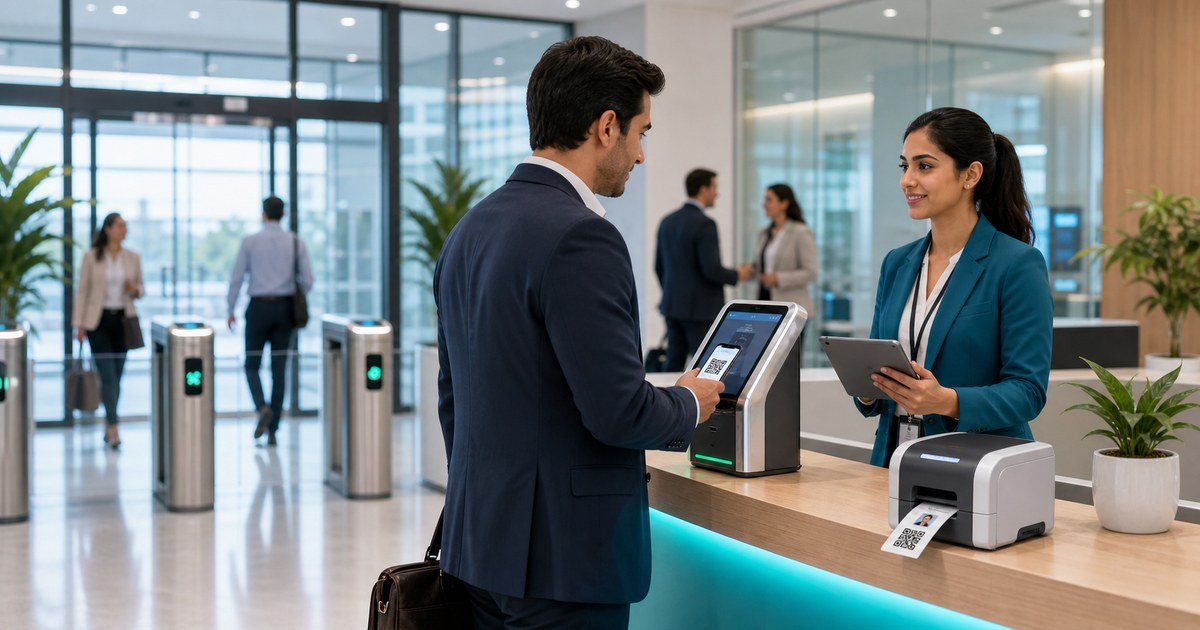
Visitor management systems are designed to streamline the process of tracking and managing visitors within an organization. These systems typically involve digital sign-in processes, ID verification, and automated tracking of visitor movements. By implementing such systems, organizations can enhance security, improve compliance, and reduce administrative burdens.
For instance, Simplifying Visitor Tracking and Reporting for Large Enterprises can help organizations to better manage their visitor data and improve their overall security posture.
Benefits of Visitor Management Systems
Visitor management systems offer numerous benefits, including enhanced security, improved compliance, and increased efficiency. By automating the sign-in process and tracking visitor movements, organizations can reduce the risk of unauthorized access and improve their overall security posture.
Additionally, visitor management systems can help organizations to improve their compliance with regulatory requirements, such as ISO 27001 standards for information security.
Data Privacy Concerns
Despite the benefits of visitor management systems, there are also concerns regarding data privacy. These systems typically involve the collection and storage of personal data, such as names, contact information, and ID numbers. Organizations must ensure that this data is handled in accordance with relevant data protection regulations, such as the General Data Protection Regulation (GDPR).
It is essential for organizations to have a clear Privacy Policy in place, outlining how visitor data is collected, stored, and processed.
Compliance Requirements
Organizations must comply with various regulatory requirements when implementing visitor management systems. These requirements may include standards for data protection, access control, and ID verification. For example, organizations in the manufacturing sector must comply with OSHA regulations for workplace safety and security.
Visitor management systems can help organizations to meet these compliance requirements, such as Visitor Management for Manufacturing Plants: Safety, Compliance & Control.
Security Features
Visitor management systems typically include various security features, such as encryption, access controls, and ID verification. These features help to prevent unauthorized access and protect sensitive data. Organizations must ensure that these security features are robust and up-to-date to prevent data breaches and cyber attacks.
For more information on enhancing workplace security, visit Revolutionizing Workplace Security: A Comprehensive Guide to Visitor Management Systems in 2026.
Best Practices for Implementation
When implementing visitor management systems, organizations should follow best practices to ensure successful adoption. These practices include providing training for staff, testing the system, and monitoring its performance. It is also essential to regularly review and update the system to ensure it remains effective and compliant with regulatory requirements.
Some key considerations for implementation include:
- Defining clear policies and procedures for visitor management
- Providing training for staff on the use of the system
- Regularly reviewing and updating the system to ensure compliance and effectiveness
Common Challenges and Solutions
Organizations may face various challenges when implementing visitor management systems, such as resistance from staff or technical issues. To overcome these challenges, organizations can provide training and support for staff, as well as invest in robust technical infrastructure. Additionally, organizations can consult with experts and industry leaders to ensure successful adoption.
For more information on improving customer satisfaction and engagement, visit Beyond Security: How Visitor Management Systems Can Improve Customer Satisfaction and Engagement.
Future Developments and Trends
The visitor management system market is constantly evolving, with new technologies and innovations emerging regularly. Organizations must stay up-to-date with the latest developments and trends to ensure they remain competitive and compliant. Some key trends include the adoption of artificial intelligence, biometrics, and cloud-based solutions.
For instance, cloud-based solutions can provide greater flexibility and scalability for organizations, while also enhancing security and compliance.
Conclusion and Call to Action
In conclusion, visitor management systems have a significant impact on data privacy and compliance. Organizations must carefully consider these implications when implementing such systems, ensuring they adhere to stringent data protection standards and regulatory requirements. By following best practices and staying up-to-date with the latest developments and trends, organizations can successfully adopt visitor management systems and enhance their overall security posture.
To learn more about visitor management systems and how they can benefit your organization, please visit our website or Federal Trade Commission for more information on data protection and compliance. Alternatively, you can Contact Us directly to discuss your specific needs and requirements.